


Installing a CCTV system is one of the most effective ways to protect commercial buildings, offices, warehouses, retail stores, and residential properties. However, even the most advanced surveillance cameras cannot provide complete protection if they are installed incorrectly. Many businesses unknowingly make common CCTV installation mistakes that leave critical areas unmonitored, reduce image quality, and compromise overall security.
Understanding these mistakes before installation can save time, reduce future costs, and improve long-term surveillance performance. Whether you are planning a new installation or upgrading an existing system, avoiding these errors will help maximize CCTV security coverage while ensuring every important area remains protected.
Common CCTV Installation Mistakes Every Business Should Avoid
Many times, surveillance systems don’t work properly because of planning rather than equipment-related issues. By avoiding common mistakes when installing CCTV systems, companies can create a reliable monitoring system that offers maximum visibility. Some of the most common mistakes made when installing CCTV systems include the following:
- Installing cameras without a site survey
- Creating CCTV blind spots
- Choosing unsuitable CCTV camera types
- Ignoring lighting conditions
- Poor cable and network planning
- Insufficient recording storage
- Weak cybersecurity for IP cameras
- Skipping post-installation testing
- Neglecting regular maintenance
Having an experienced provider who can establish a clear and functional connection between the cameras is crucial.
Failure to Plan for CCTV Coverage before Installation
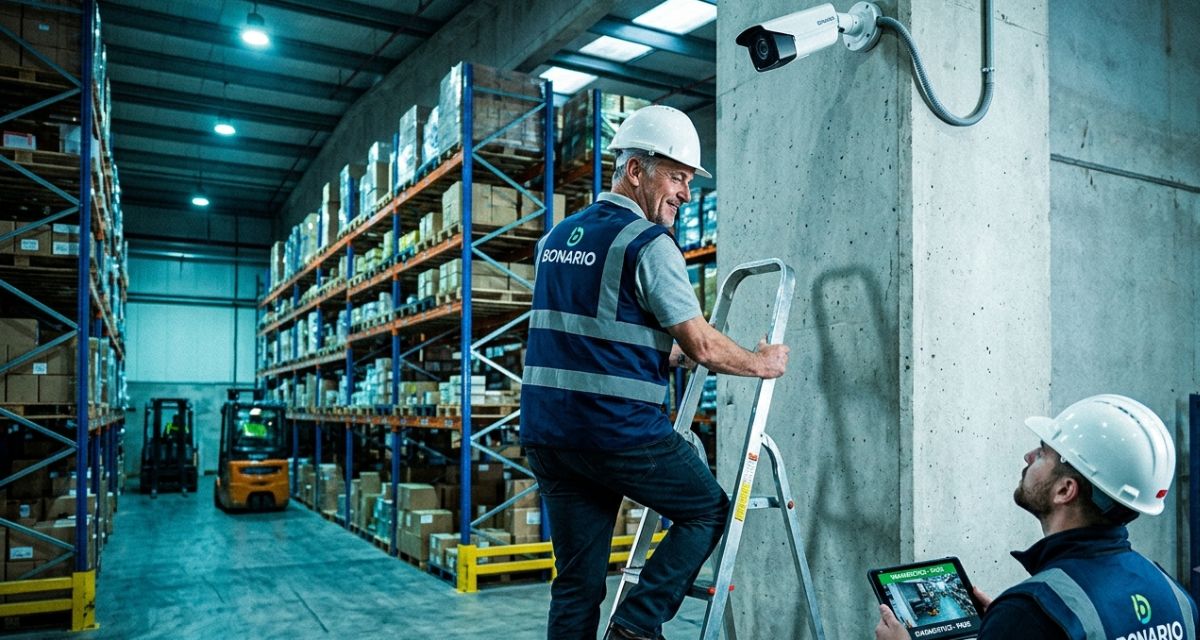
Many organizations buy cameras but wait until later to determine where to place them. This usually leads to inefficient surveillance and wasted resources. Before the equipment installation, organizations should define:
- Areas of higher risk
- Entry and exit points
- Employee movement zones
- Parking areas
- Loading docks
- Cash handling locations
- Restricted rooms
- Future expansion requirements
A professional site assessment helps determine the correct number of cameras, suitable viewing angles, and complete CCTV security coverage for the property.
Poor Camera Placement Creates CCTV Blind Spots
One of the most common installation problems is poor camera positioning. Even high-definition cameras become ineffective if important areas remain outside their viewing range. Common CCTV blind spots include:
- Building corners
- Behind storage racks
- Staircases
- Emergency exits
- Warehouse aisles
- Parking lot edges
- Blind intersections
- Loading docks
Proper camera placement minimizes blind spots and allows security teams to monitor every critical area without interruption.
Choosing the Wrong Camera for the Environment
Every business environment has different surveillance requirements. Using the wrong camera often results in poor image quality and reduced monitoring efficiency. Common camera options include:
Following CCTV Installation Best Practices Improves Long-Term Performance
Proper installation directly affects system reliability and image quality. Following CCTV installation best practices helps businesses avoid future maintenance problems while improving surveillance efficiency. Best practices include:
- Conducting a complete site survey
- Installing cameras at the correct height
- Avoiding obstructions and glare
- Securing network and power connections
- Protecting outdoor equipment from weather
- Testing every camera angle
- Planning for future expansion
Professional installation ensures cameras deliver consistent performance for years.
Ignoring Lighting Conditions Can Reduce Image Quality

Lighting plays a major role in surveillance performance. Cameras positioned without considering lighting conditions often produce unclear or unusable footage. Common lighting mistakes include:
- Facing cameras toward direct sunlight
- Strong backlighting at entrances
- Installing cameras near reflective glass
- Poor lighting in parking areas
- Insufficient illumination during nighttime
Testing cameras during both daytime and nighttime helps ensure consistent image quality under changing lighting conditions.
Inadequate CCTV Security Coverage Leaves Properties Vulnerable
Many businesses focus only on entrances while overlooking several important areas. This creates security gaps that can be exploited during incidents. Complete CCTV security coverage should include:
- Main entrances and exits
- Reception areas, Corridors, Elevators
- Parking facilities, Server rooms
- Warehouses, Cash handling zones
- Loading bays, Restricted operational areas
Monitoring these locations provides better security while improving operational oversight.
Ignoring Video Storage and Recording Requirements
High-definition surveillance cameras generate large amounts of data. Without proper storage planning, businesses may lose valuable footage when incidents occur. Important storage considerations include:
- NVR or DVR capacity
- Video retention period
- Cloud vs local storage
- Backup recording
- Continuous vs motion-based recording
- Storage scalability
Choosing the right recording solution ensures important surveillance footage remains available whenever needed.
Forgetting Cybersecurity for Modern CCTV Systems
Most modern CCTV systems connect to business networks or the internet for remote monitoring. Without proper cybersecurity, surveillance systems become vulnerable to unauthorized access. Businesses should:
- Change default passwords
- Enable encrypted remote access
- Update camera firmware regularly
- Restrict administrator access
- Secure network connections
- Monitor system activity
Protecting surveillance systems from cyber threats is now just as important as protecting the physical property itself.
Skipping System Testing After Installation
Installing cameras is only the beginning. Every surveillance system should undergo complete testing before becoming operational. Testing should include:
- Camera viewing angles
- Recording quality
- Motion detection
- Night vision performance
- Playback functionality
- Remote viewing
- Mobile notifications
- Storage verification
Routine testing helps identify problems early and ensures reliable surveillance performance.
Why Choose Bonario for Professional CCTV Installation?
Professional installers do far more than mount cameras. They evaluate security risks, optimize camera placement, eliminate CCTV blind spots, and design systems that provide reliable long-term protection. Bonario delivers customized CCTV solutions for commercial, industrial, and residential properties across the UAE. Our experienced team designs surveillance systems based on your property layout, operational requirements, and long-term security goals. Our services include:
- AI-enabled surveillance systems and Professional CCTV installation in Dubai
- CCTV AMC and maintenance
- Access control integration, Remote monitoring solutions
- Security consultations, System upgrades and expansion
Every project is carefully planned to maximize surveillance performance, minimize security gaps, and deliver dependable protection.
Conclusion
It’s important to steer clear of typical CCTV installation errors in order for your surveillance system to deliver total visibility and reliable security coverage. From removing CCTV dead zones to adhering to established CCTV installation best practices, each choice made during installation is critical to achieving overall CCTV security success.
Working with qualified companies like Bonario makes sure that your CCTV system is planned out smartly, set up properly, and maximized for the long term. Whether you are protecting an office, warehouse, shop, factory, or home, investing in professional safety planning brings about higher safety levels and stress relief.
